The landscape of Major League Baseball is about to change in a major way, but not the way most fans think. The next Collective Bargaining Agreement will bring monumental changes, and perhaps change how teams can spend. The other, less-talked-about shift in the sport is the rise of the small-market team with low budgets that could dominate the sport for the next half-decade.
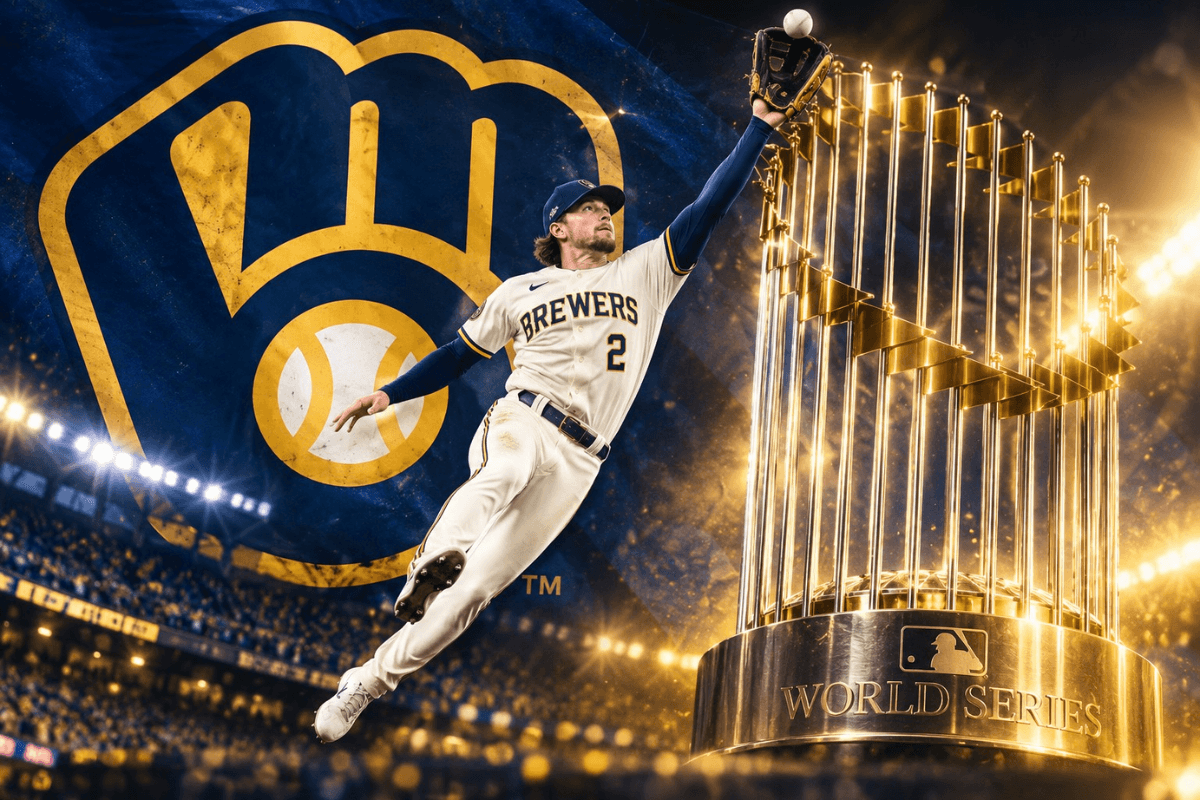
Three of the four teams that participated in the Championship Series this postseason were teams that fell under $182,000,000 in average payroll, and two of those teams ended up playing in a rather lopsided World Series. One of those teams, the Milwaukee Brewers, swept a Los Angeles Dodgers superteam, while the third-lowest payroll, the Tampa Bay Rays, won a well-fought battle against the lowest payroll in baseball, the Cleveland Guardians. Fans better get used to this, because it's going to happen a lot more in the next five years, especially after the CBA negotiations are over.
If the 2026 MLB season was any indication, the days of buying your way to the World Series is ending quickly. The rebirth of smallball, the era of analytics, and the era of the small-market team is finally arriving in full force.
The Small Market Team Is Going Back To The Basics
Once upon a time in Major League Baseball, a team's philosophy centered around building a good roster that blended power hitters with contact guys. There were the front-of-the-lineup guys: The best on-base-getter leading off, your best hitter going second, your best contact guy at third, and then the best power hitter in the cleanup spot. Then there was the support, which were guys that could still give any starting pitcher a reason to feel pressure the first, second, and third time around.
What the Brewers and the Rays just did almost mimicked that same philosophy, but with a 21st-century spin that focuses on getting the best all-around players for a cheap cost and maximizing their tools. Both teams were struggling with identity crises just two years ago; the Rays lacked cohesion in power and in the rotation, and the Brewers lacked it in the baserunning and slugging departments. What did they do? They decided to go retro and prioritize contact, while making power secondary.
For the Rays, they centered around Chandler Simpson: A player who likely won't hit more than 50 home runs in his career, but will absolutely get on base and steal 50 bases a season once he hits his prime. With the development of Junior Caminero into a powerhouse, along with Yandy Diaz being the best hitter on the team and support from Victor Mesa Jr., they seemed destined to win once they got on a roll.
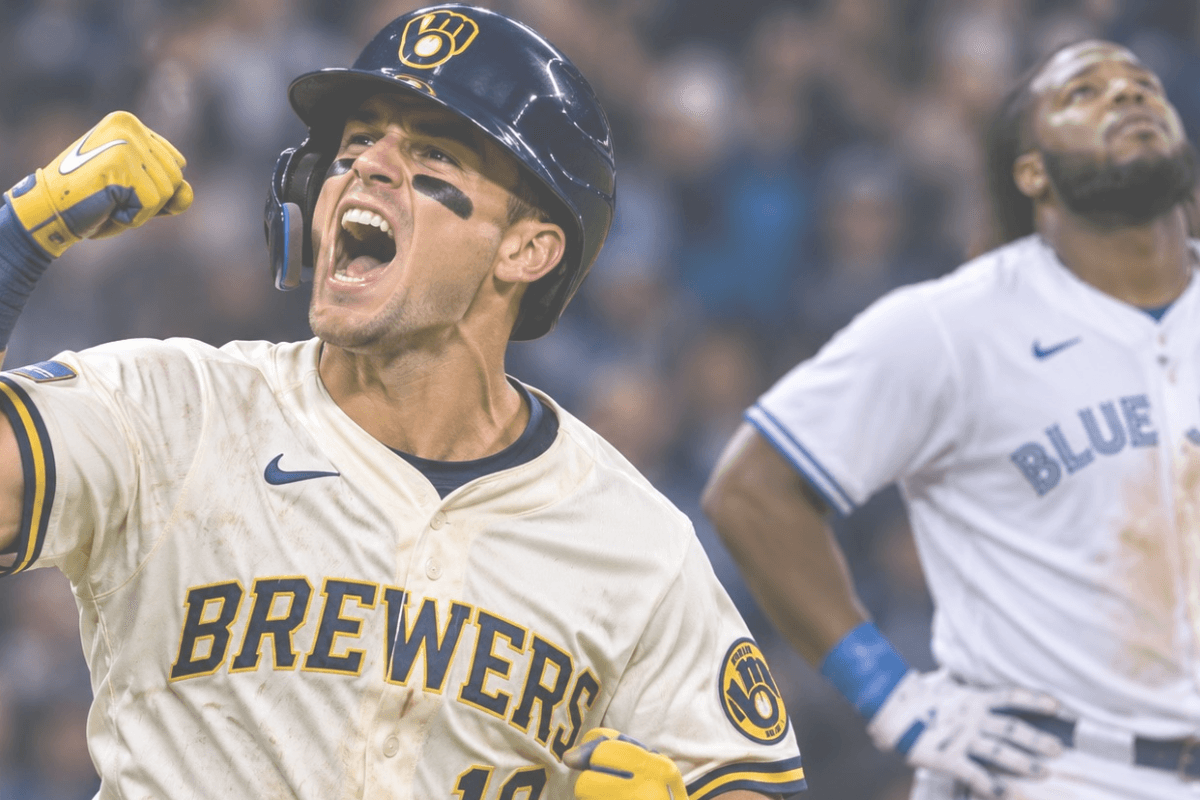
The Brewers did a similar setup, but relied heavily on stolen bases the entire season. The team had seven players with ten or more stolen bases on the season, including Jake Bauers and even Christian Yelich. They did lack a player with more than 30 home runs in the season, but the .341 on-base percentage, which was the best across the entire league, propelled them to their first World Series win in franchise history. There's no need for the long ball anymore if you have a team that can draw walks and put the ball in play.
Even The Small-Market Teams Who Lost Are Winners
Consider this: One team in the American League Championship Series had a payroll of about $74 million and finished first in a tight American League Central division. Their highest-paid players has an AAV of just around $18 million and their ace of the rotation hasn't even hit pre-Arbitration yet. That team had a better record than nearly half of the entire sport in 2026, and they might be poised to do better in 2027 barring a major setback. The Guardians, between this year and other postseasons past, have mastered the art of small-ball and low-budget teams.
The last time the Guardians had a payroll above league average was in 2018, when they were swept out of the American League Division Series that year. Since then, they've gotten rid of budget-hog players like Andrew Miller, Corey Kluber, and Francisco Lindor in exchange for cheaper, more efficient players. Between then and now, they've made the postseason five times and have only had one losing record. The team thrives not just on contact, but on strong pitching and investing in younger players.
Parker Messick is this team's ace without question, and the anchor of the entire rotation for the foreseeable future. In the first 39 starts of his career, he's posted a 2.59 ERA and 231 strikeouts over 226 innings, along with 55 walks. Behind him, he helps take pressure of Tanner Bibee, who struggled in 2026, and gives protection to Gavin Williams and Joey Cantillo. While the Guardians are not strong hitters, posting a .316 on-base percentage and sub-.700 OPS, they rely on strong pitching from their bullpen and cinsistent play from Jose Ramirez to guide them.
A few hundred miles away on the southside, the White Sox are pulling off one of the quickest rebuilds in baseball history. Only two years ago, this team lost the most games ever in a single season, dropping 121 contests in 2024. They did a similar thing to what the Rays and Brewers did: Invest in better hitting, but this time, focus more on power and scoring runs rather than contact. It worked in the regular season, with Miguel Vargas looking like the powerhouse of the team, along with Munetaka Murakami hitting 35 home runs and Colson Montgomery hitting 33. The strikeouts, however, killed the team in their tracks in the postseason.
Surprisingly, they held the fourth-most strikeouts during the season, not the most. What it does prove, however, is that the era of primarily relying on the long ball at the risk of high strikeouts is dead.
The Big-Market Team Has To Pivot In 2027
Seeing small-market teams race into the World Series, including one sweep of what was supposed to be a juggernaut on their way to a third consecutive World Series, is MLB's worst nightmare. That's not just for the owners looking for a salary cap in the new round of CBA negotiations, but for big-named teams like the New York Yankees and the Chicago Cubs.
Teams have been investing in high-risk, high-reward players who strike out 200 times or more a season in exchange for hitting 40 home runs or more. Either that player will end up succeeding and holding a .300 batting average, like Aaron Judge, or will collapse in blazing fashion, like Joey Gallo. What makes it riskier is that if the team has no other player to fall back on, they could be looking at a really rough stretch. Those teams investing in multi-tool hitters and using them properly in the lineup are doing wonders while those stuck in the 1990s-era of "spend now, win now, ask questions later," are feeling the effects.
It might be time for them to stop trying to buy their way to a championship, because it might not be working anymore. Sure, one season doesn't spell the end of the world for them, but the dynamics of the sport are undeniably changing. It's too late to stop the momentum swing, and we might be seeing more smaller-market teams win it all.
Sharp takes. Every morning.
Get the day's top stories, line moves, and exclusive analysis.
Join sharp bettors getting daily insights. Unsubscribe anytime.
BOOST US IN GOOGLE
★ Get more Cover takes in your Google Search